Elegiac Sequels: From Reverent to Revisionist
Part 2 of the ongoing blogification of my dissertation on what I call elegiac sequels, aka legacyquels. In this part, I begin to talk about a spectrum on which elegiac sequels lie based on the stance they take towards the original films (and tv) they are sequels to.
On Finding Ideas too late
and
the joys of classification
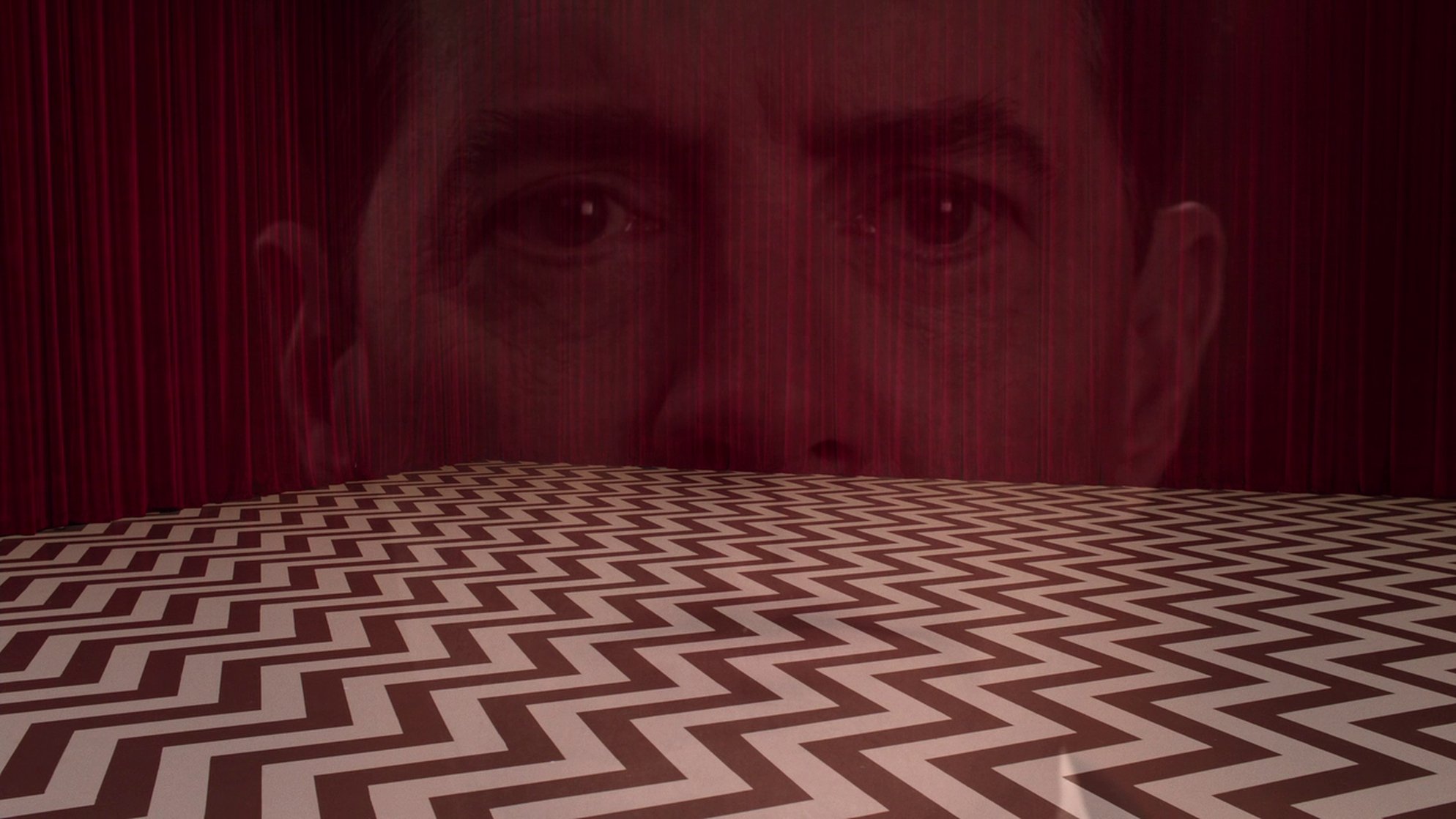
What it feels like to write a dissertation
When you set out to write a dissertation you have an idea. Soon, that idea springs out into another idea, which leads to two more, which each lead to several others, and so on. Or, at least that’s what happened with me. My dissertation began its life as a short essay for one of my first narrative theory classes at OSU, and while I eventually turned a bit away from narrative theory as the basis for my dissertation, its roots remain deeply embedded in how I think about elegiac sequels, even if I haven’t actually unearthed those roots since that early paper. What started as an examination of elegiac sequels as a storytelling strategy soon became an analysis of the industrial pressures that enabled the rise of the elegiac sequel in the late-2000s, an investigation into audience reception and how filmmakers and studios respond to fan backlash (or right-wing culture wars) within the Star Wars sequel trilogy, and a study of how trailers for elegiac sequels sell the pleasures promised by the return to beloved films in modern contexts to both knowledgable and naive audiences. While I had fun researching and writing those chapters, by the end of the process they started to feel like I was talking around the big idea that had started the whole thing for me, and, as I was thinking about how to write my introduction (which I did last), I finally had the idea that might have been helpful to have much earlier: classifying elegiac sequels on a spectrum.
Look, we all love to classify things. Saying something is this and certainly not that is one of life’s small pleasures and an important tool in an academic’s toolbox. In one of my earliest grad-level classes at Lehigh University, Dr. Seth Moglen structured a modernism course around the idea that modernism was split in two based on how the artists doing modernism were able to percieve and respond to the changes wrought by the birth of industrial capitalism. From the book he eventually wrote on the subject:
“The two modernisms staged an encounter between those who felt that their deepest wishes—for love, for social solidarity, for a less alienated way of life—were inherently unrealizable illusions and those whose central aim was to explore those desires and to imagine how they might be realized. It was an encounter between two modes of response to social crisis and collective injury: an encounter betwen melancholia and mourning”
The modernists we studied in class were split along these lines: Hemingway’s The Sun Also Rises and Faulkner’s Absalom, Absalom! on the melancholic side, Hurston’s Their Eyes Were Watching God and poets like H.D. and Langston Hughes on the mourning side. It was fruitful to help us understand the landscape of modernism as well as the social response to a rapidly shifting set of cultural norms, something that continues to be valuable as I observe the world I’m living in. Like great art, great academic work can help you change how you see what you’re seeing. I have little belief that what I’m doing here in this blog (or in my original dissertation) is to that level, but I hope it can be of at least a little use for helping you understand the response—both yours and others’—to elegiac sequels and their ilk. And so, in that spirit, I offer you a similar, though not nearly as well thought out or articulated, way to categorize elegiac sequels.
How do we think about history?
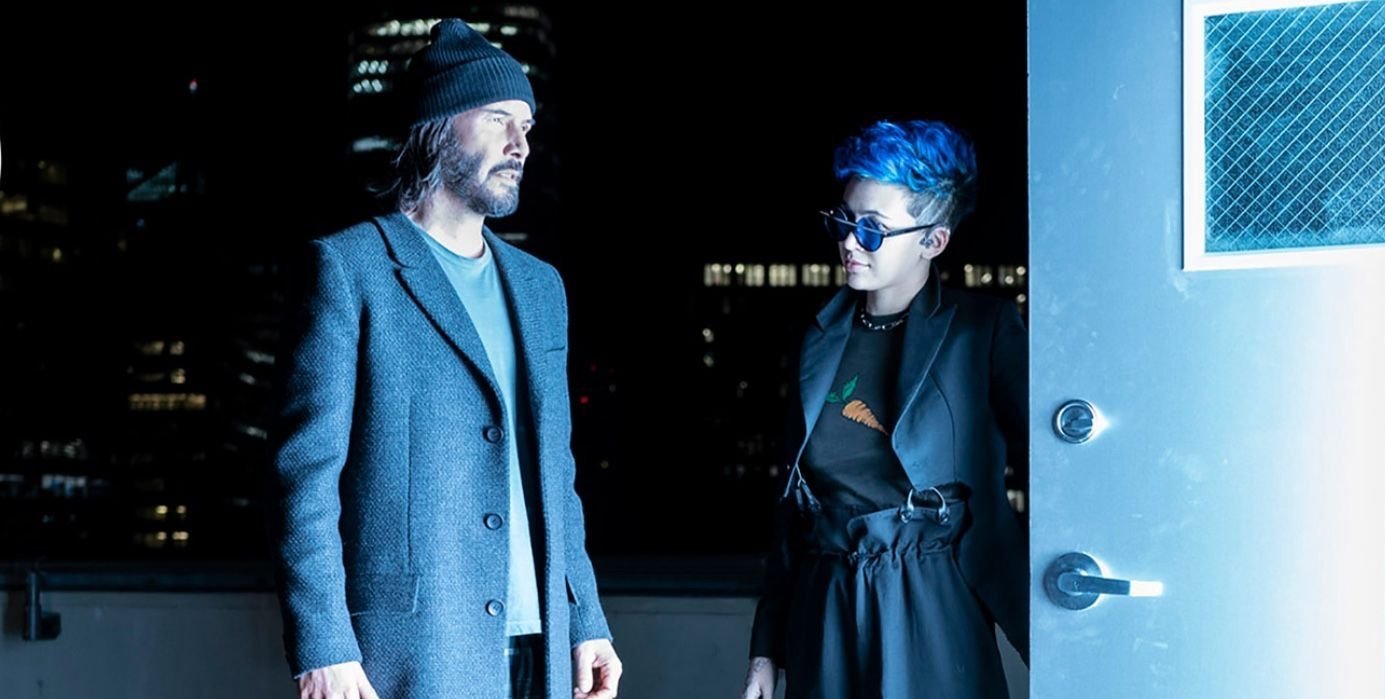
Bugs invites Neo to view the past. It’s bright
As I wrote in the previous post in this series, “If the filmmakers are going to imagine what happened between the last time we saw the characters in question and the next one they’re making, they need to think about that gap, that time between one story and the next. About history, in other words.” It is precisely this gap and how filmmakers think about it that informs my attempt to classify elegiac sequels. In broad terms, there are two responses to that gap: one which largely ignores it outside of surface-level indicators and one which thinks deeply about the space between the original film and its new sequel, allowing that space to transform not only the storyworld but also our understanding of the original film and its place in our culture.
Sequels are always building out what the movies they’re following are “about.” We can see this in the Nightmare on Elm Street series that accumulates lore as Freddy accumulates a body count, or in the Fast & Furious franchise which becomes more and more invested in building out a universe where the ability to drive a car well confers more and more additional skills that are helpful for being an international spy and creates an unbreakable bond between friends such that they become a family. Sequels add characters, locations, concerns, narrative events. Sequels are built on continuity, and close continuity at that. The only way to buy Dominic Toretto’s build from petty thief to superspy is to do it in stages but relatively quickly. We’re currently living in the longest time without a F&F sequel since the franchise began in 2001, with all other movies coming within three years of the prior entry. Sequels in Hollywood happen quickly because they are born from the drive to replicate the success of a hit movie. Elegiac sequels, on the other hand, are attempts at revivification and therefore require a different posture towards how the storyworlds are built and how they are “about” the previous entries in their franchises.
Elegiac sequels, because of their delayed appearance of ~10 or more years, offer the opportunity to go beyond building out a world over time and instead provide space for larger reflections on the passage of time and how we experience the accumulation of events that becomes history. In other words, the elegiac sequel is a moment where we can stop, look back at the original film and what has happened since, and see if we have changed how we think about that movie and the history between then and now. Or not.
Sometimes elegiac sequels are content to look back and say, “Wow, wasn’t that cool?”Maybe they’ll add some representation beyond the straight cis white men that dominated the protagonist pool of the source films, a worthy and valid change that nevertheless doesn’t necessitate a deep shift in how we understand the original films beyond representation—though sometimes those representational changes are used as part of a larger commentary.
I have found that most elegiac sequels will nicely find a space somewhere between the first type—the kind that contains deeper thoughts about the passage of time, the original work, and our changing understanding of both those things—and the second, less reflective variety that is content to change mechanics of how the movie is made (editing styles, CGI over practical effects, expanding the cast) without putting much effort into thinking through what else the gap, the history, might have changed. The first type I call revisionist. They are deliberate, sometimes critical, in their response to the original film. The second type I call reverent. They revive and repeat (because why mess with greatness?) rather than revive and revise.
A tale of two Stances
I’ll have much more to say on this subject as we go throughout this series of blog posts. I think having this framework would have helped as I wrote the dissertation, and I hope it enriches what I put up here. But before we get there, I want to leave you with examples pulled from the dialogue of two different elegiac sequels that illustrate how these two different approaches to the elegaic sequel think about themselves as elegiac sequels.
In The Matrix Resurrections, Bugs, the new young protagonist (played by Singaporean-Chinese-English actor Jessica Henwick), tells a much older Neo “They took your story, something that meant so much to people like me, and turned it into something trivial.” This line evinces the stance the film takes towards the original films in the series: a mourning of what the Wachowski sisters made as a liberationist text and became a symbol of of terms like “the red pill,” and a reclamation of that story to make it meaningful again by revising its vision of the control imposed by the machines in the form of the Matrix for modern understandings of how algorithms value intense emotions over genuine connections on social media. It's a lot to fit into one sentence, which speaks to the depth that can be reached when filmmakers take a revisionist tack towards the films they’re making sequels to.
On the other hand, we have the reverent elegiac sequels, which are perhaps most exemplified by Star Wars: Episode IX - The Rise of Skywalker. The line of dialogue became a meme standing in for the perception that the film itself was poorly thought out, uninterested in creating a story that logically followed from what came before it, ignoring attempts from earlier in the sequel trilogy to provide the series with a sense of history. That’s right:
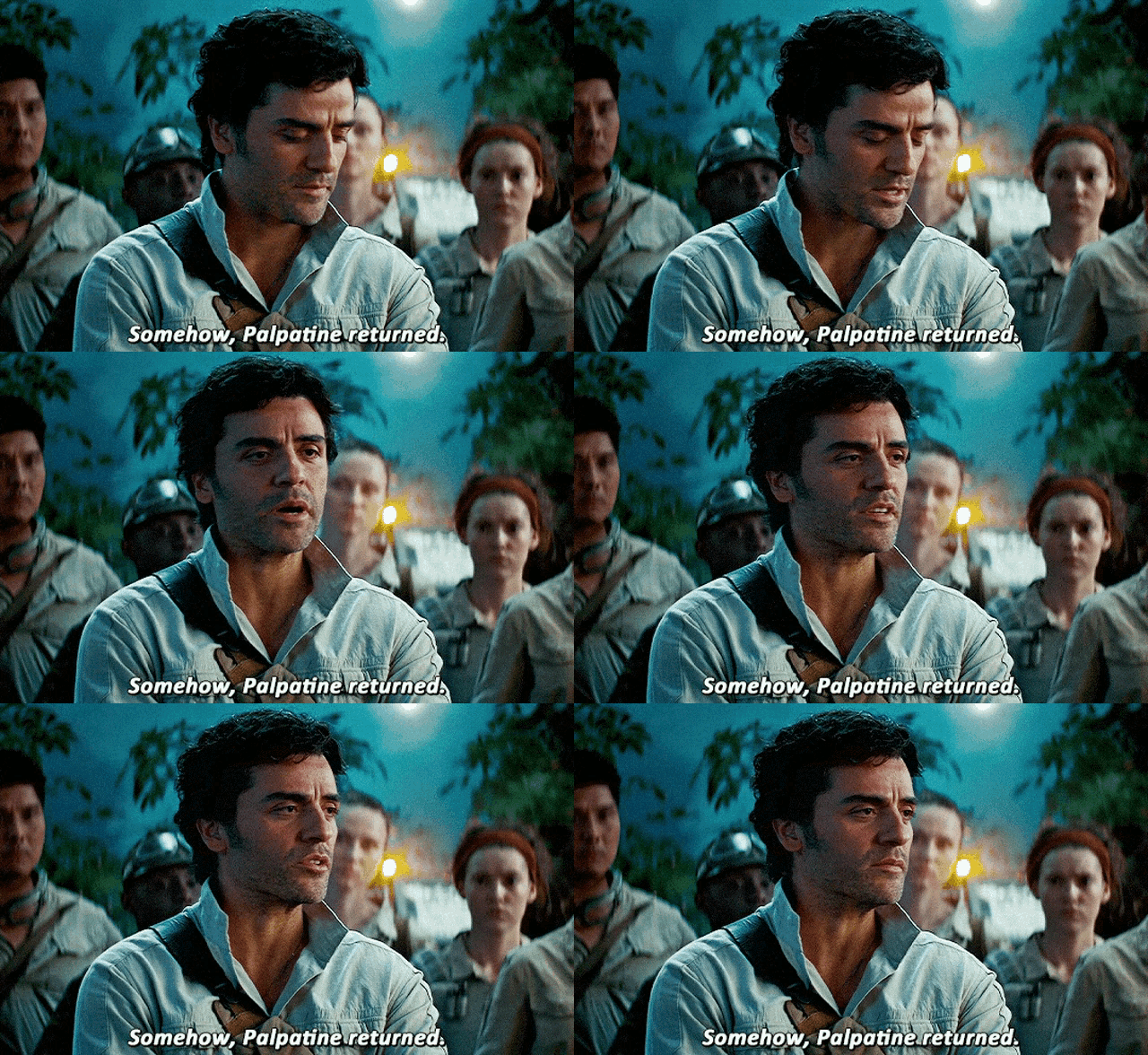
He even looks disappointed as he says it.
Up next in this series: an attempt to put a bunch of movies on the spectrum between revisionist and reverent. Then: maybe some further discussion of the political valence of these categories. Stay tuned!
